
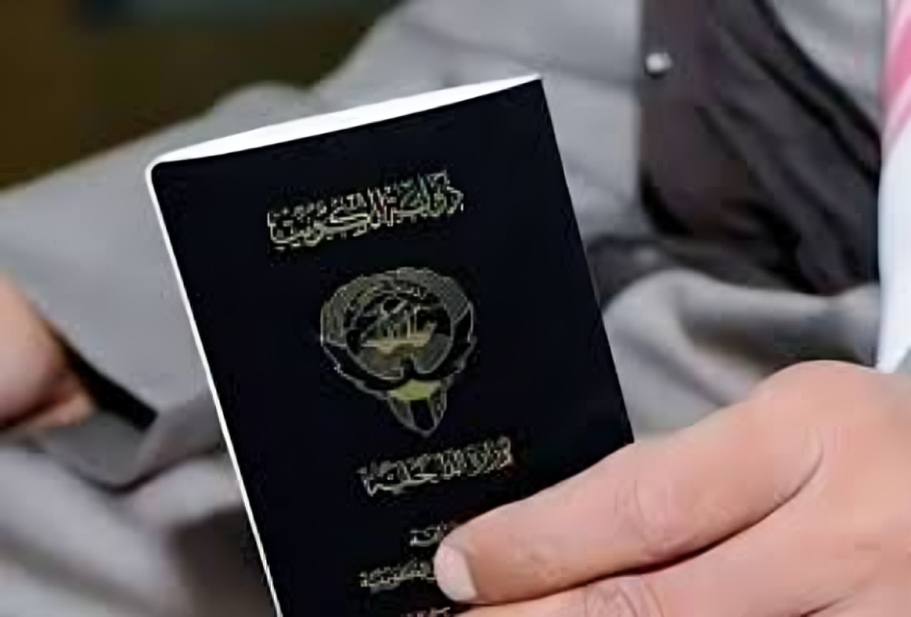
KUWAIT: Kuwait’s Supreme Committee for Nationality Investigation has recently intensified its efforts to review and potentially revoke citizenship in cases deemed to be unlawful or irregular. This development signals the government’s increasing commitment to maintaining the integrity of its nationality policies. In recent months, there has been growing attention to cases where individuals have been granted citizenship under suspicious circumstances, such as fraudulent documentation or irregular processes.
The committee, which comprises high-ranking officials from the Ministry of Interior and other relevant authorities, is tasked with scrutinizing individuals’ citizenship applications and investigating any irregularities. Its focus has primarily been on cases where naturalization processes may have been bypassed or manipulated for personal gain, leading to a heightened sense of urgency in conducting thorough investigations. The revocation process is often a lengthy procedure that requires careful review of each case, ensuring that all legal avenues are followed before a decision is made.
This move comes at a time when Kuwait’s citizenship policies have been under greater scrutiny due to concerns about the integrity of the naturalization process. The committee’s decision to increase its vigilance could be seen as a response to the country’s broader efforts to address issues related to identity, security, and national sovereignty. While the government’s actions aim to safeguard Kuwait’s national interests, the process may also affect families and individuals who have lived in the country for generations, raising questions about the balance between security measures and social fairness.
As Kuwait continues to modernize its systems and enhance the efficiency of its bureaucracy, the focus on nationality investigations is expected to be a cornerstone of future policy reforms. Ensuring that citizenship is granted through transparent, legitimate channels will help fortify public trust in the government’s ability to protect its borders and maintain its national identity. This shift in focus may also serve as a reminder to other Gulf countries dealing with similar concerns about nationality practices.

