
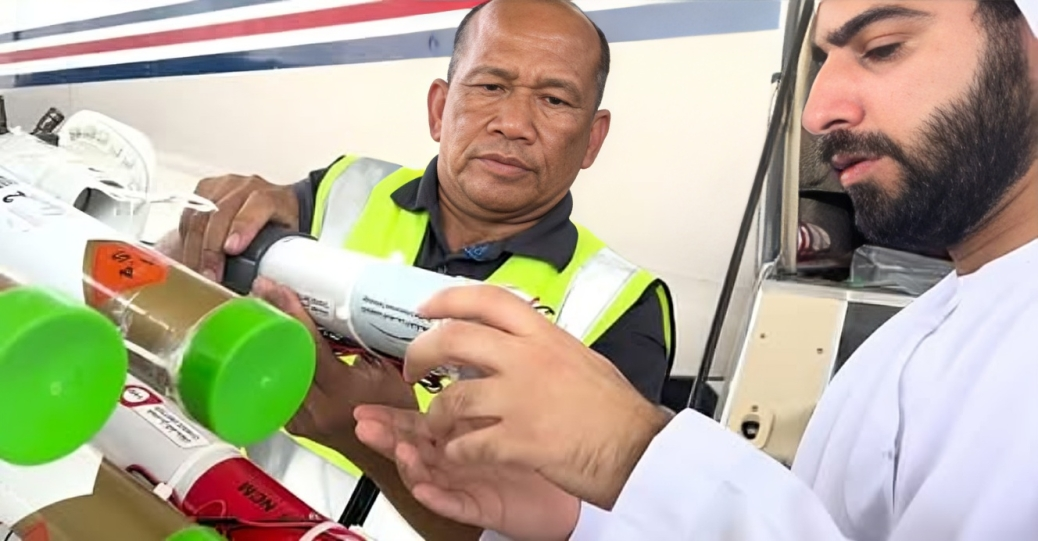
UAE: Rain enhancement operations are becoming increasingly sophisticated with the integration of artificial intelligence (AI), algorithm-based data processing, and other advanced technologies. These innovations have revolutionized the way rain is induced and monitored, improving the overall success rate of such operations. AI models analyze vast amounts of meteorological data in real time, enabling precise predictions about weather patterns and the best times to conduct cloud seeding. This results in more effective interventions, ensuring that rain enhancement efforts are targeted where they are most needed.
The use of AI allows for better accuracy in assessing the potential for cloud seeding, as it can identify favorable atmospheric conditions that might otherwise go unnoticed. Algorithm-based systems can detect subtle changes in temperature, humidity, and pressure, which are crucial for successful rain formation. By processing this data quickly, AI systems can assist meteorologists and scientists in making faster, more informed decisions, reducing the time spent on manual calculations and improving the overall efficiency of rain enhancement operations.
These technological advancements not only enhance the precision of cloud seeding but also help in minimizing the environmental impact. Through better-targeted operations, the artificial stimulation of rainfall can be carried out more efficiently, avoiding unnecessary waste of resources. AI and data-driven strategies optimize the use of cloud seeding agents, ensuring that only the required amount is released into the atmosphere. This reduces the risk of unintended side effects and ensures that the rain enhancement operations remain environmentally responsible.
In addition to these operational benefits, the use of AI and advanced technologies plays a critical role in long-term rain enhancement planning. By analyzing historical data and patterns, AI models can predict future rainfall scenarios, aiding in water resource management. These predictive capabilities help countries and regions that are heavily reliant on artificial rainfall in planning their water usage more effectively. As the technology continues to evolve, the potential for more widespread and efficient rain enhancement operations grows, contributing significantly to global water security and sustainability.

