
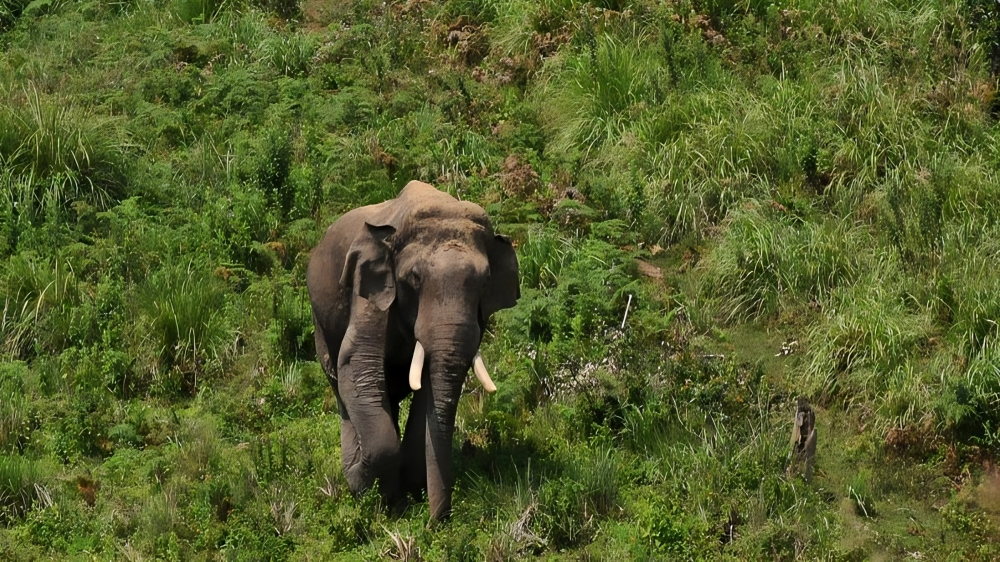
MURIVALAN: Murivalan, a notorious rogue tusker, has once again been spotted causing destruction in human settlements. Known for his frequent intrusions into local villages, the wild elephant has earned a reputation for being both a formidable force of nature and a source of distress for residents. His large size and unpredictable behavior make him a dangerous presence, leading to concerns over the safety of both people and other wildlife in the area.
For years, Murivalan has been making his way into agricultural lands, trampling over crops, damaging property, and causing significant economic losses to the farmers who rely on their fields for sustenance. Despite efforts to ward off the elephant, he seems to have developed a pattern of returning to the same locations, further complicating the attempts at maintaining peace between humans and wildlife. His actions have sparked debates about how to best handle the situation while ensuring the safety and livelihood of the residents.
Authorities and wildlife officials have been closely monitoring Murivalan’s movements, attempting to track his behavior and find a solution that benefits both the elephant and the community. The dilemma lies in balancing the preservation of wildlife with the protection of human settlements. The challenge becomes even more pronounced as elephants, such as Murivalan, are essential to maintaining the balance of the local ecosystem, yet their roaming into human territories presents ongoing conflicts.
Conservationists argue that the destruction caused by rogue elephants is often a result of habitat loss, forcing the animals to encroach upon human settlements in search of food and space. They emphasize the need for long-term solutions, such as creating wildlife corridors and preserving natural habitats, to reduce the frequency of such incidents. Ultimately, managing the coexistence of humans and elephants in these areas will require innovative strategies and cooperation between local communities, wildlife experts, and authorities.

